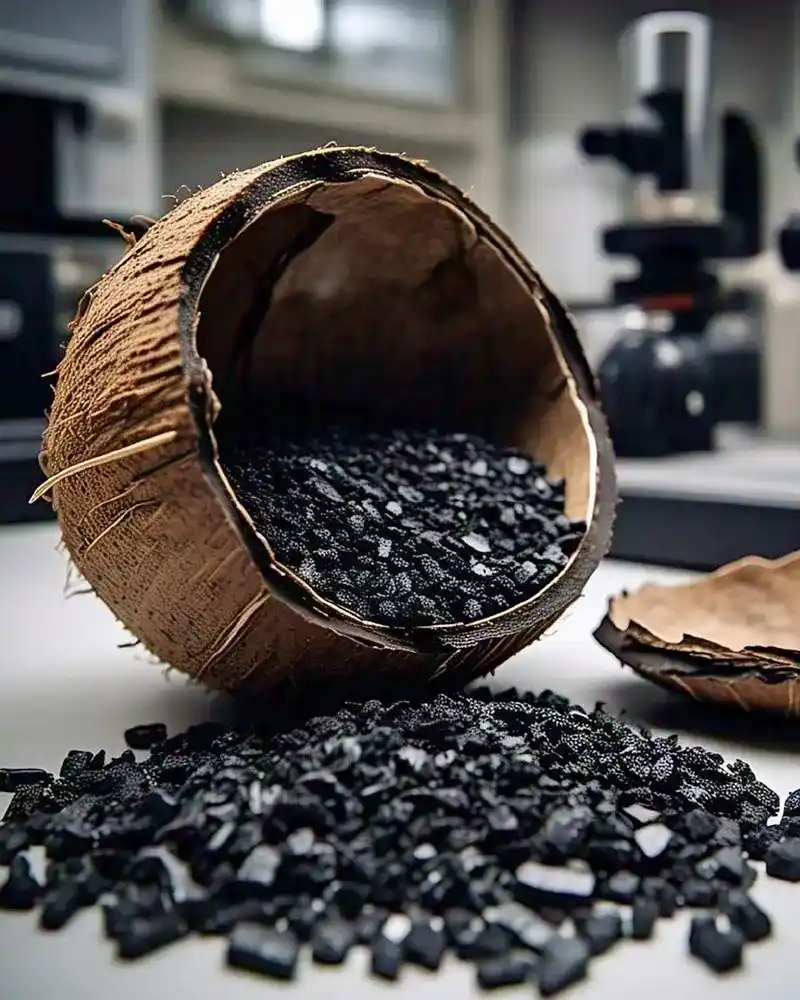
Activated carbon is one of the most widely used media in water and air purification, but not every grade suits every job. Selecting the right type depends on your application, contaminant profile and flow rate.
Coconut shell vs coal based
Coconut shell activated carbon has a dense micro-pore structure and a high iodine value (1000+ mg/g), making it ideal for removing dissolved organics, chlorine, taste and odour from drinking water. Coal based activated carbon offers higher hardness and a broader pore structure, well suited to industrial effluent and heavier organic loads.
What iodine value tells you
The iodine number is a quick indicator of a carbon's surface area and adsorption capacity. A higher iodine value generally means more micro-pores and better adsorption of small molecules such as chlorine and light organics.
Granular, powder or pellet?
- Granular (GAC) — continuous-flow column filtration for taste, odour and chlorine.
- Powder (PAC) — rapid batch dosing for decolourisation in pharma, food and sugar.
- Pellet — low pressure-drop gas-phase and VOC applications.
Not sure which grade fits your plant? Request a quote and our technical team will match the right activated carbon to your requirement.